1853 The Lancaster Bank 5 Dollar Paper Banknote - Great Condition - Pennsylvania Obsolete Currency - Five Dollar 1853 PEN
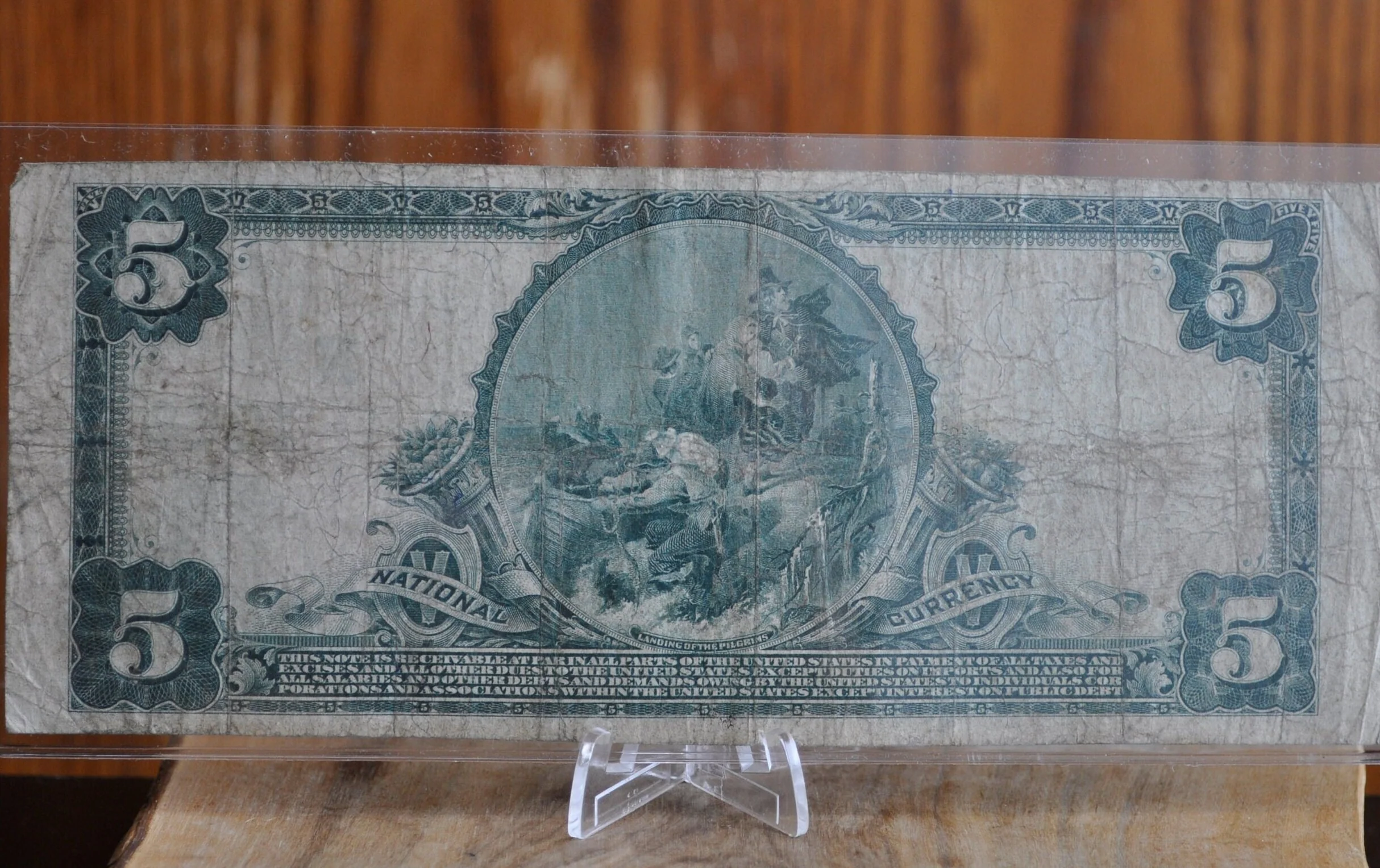
This listing is for the photographed 1853 The Lancaster Bank of Pennsylvania 5 Dollar Banknote. Great piece of history.
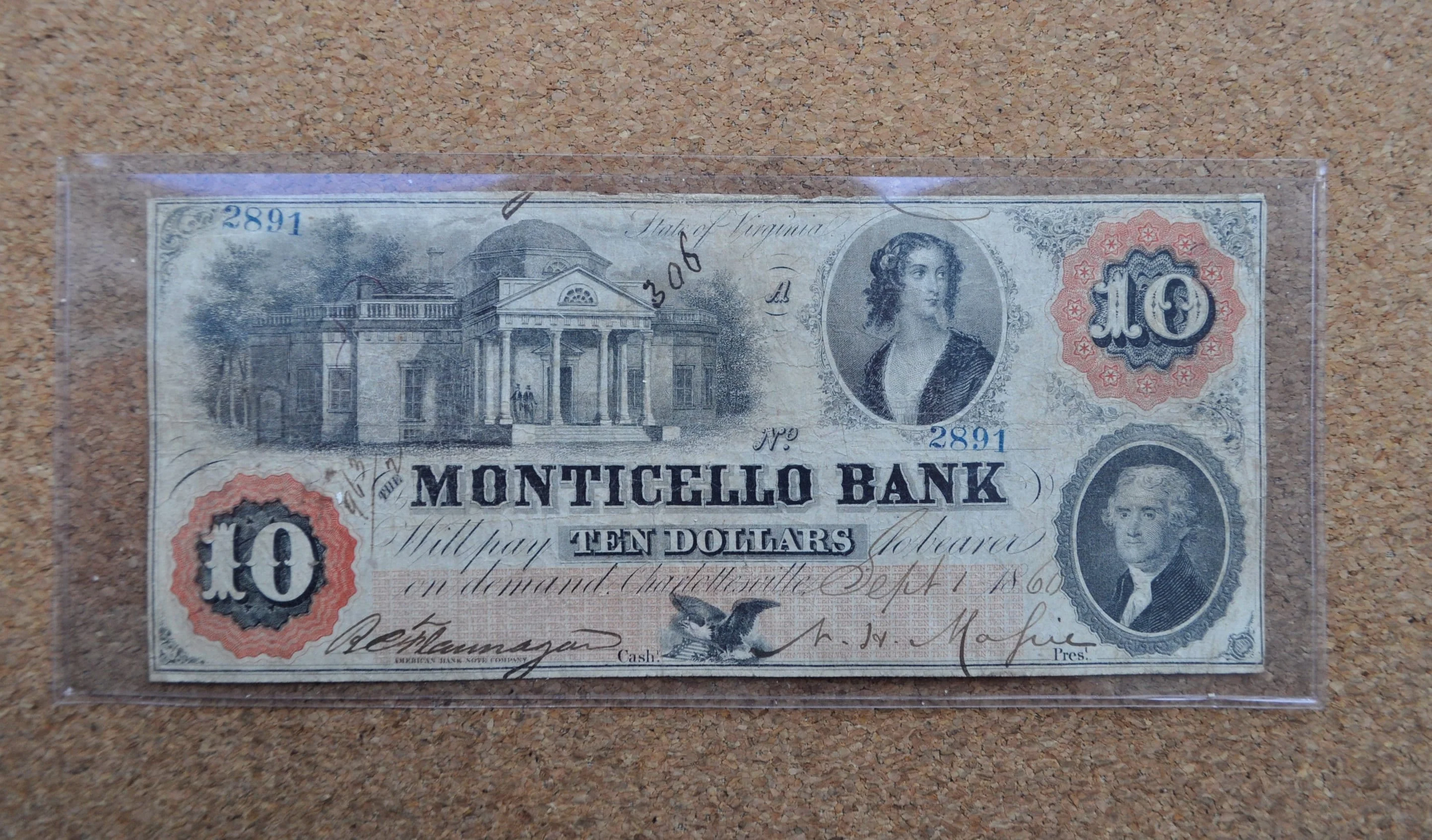
Obsolete bank notes are also called "broken bank notes." In the days prior to the Federal Reserve, any bank could produce currency for use by the clients and members of the community. Unfortunately, not many safeguards were taken to ensure that banks stood behind the currency they were producing and circulating. Banks, more often than not, failed and their currency was rendered worthless. As a result, most bank notes of the period did not trade at their full retail value. Oftentimes notes were worth 50 cents on the dollar because the public expected the banks to fail.
Obsolete bank notes are also called "broken bank notes." In the days prior to the Federal Reserve, any bank could produce currency for use by the clients and members of the community. Unfortunately, not many safeguards were taken to ensure that banks stood behind the currency they were producing and circulating. Banks, more often than not, failed and their currency was rendered worthless. As a result, most bank notes of the period did not trade at their full retail value. Oftentimes notes were worth 50 cents on the dollar because the public expected the banks to fail.
Product Information
Product Information
Shipping & Returns
Shipping & Returns


1853 The Lancaster Bank 5 Dollar Paper Banknote - Great Condition - Pennsylvania Obsolete Currency - Five Dollar 1853 PEN
1853 The Lancaster Bank 5 Dollar Paper Banknote - Great Condition - Pennsylvania Obsolete Currency - Five Dollar 1853 PEN
This listing is for the photographed 1853 The Lancaster Bank of Pennsylvania 5 Dollar Banknote. Great piece of history.
Obsolete bank notes are also called "broken bank notes." In the days prior to the Federal Reserve, any bank could produce currency for use by the clients and members of the community. Unfortunately, not many safeguards were taken to ensure that banks stood behind the currency they were producing and circulating. Banks, more often than not, failed and their currency was rendered worthless. As a result, most bank notes of the period did not trade at their full retail value. Oftentimes notes were worth 50 cents on the dollar because the public expected the banks to fail.
Obsolete bank notes are also called "broken bank notes." In the days prior to the Federal Reserve, any bank could produce currency for use by the clients and members of the community. Unfortunately, not many safeguards were taken to ensure that banks stood behind the currency they were producing and circulating. Banks, more often than not, failed and their currency was rendered worthless. As a result, most bank notes of the period did not trade at their full retail value. Oftentimes notes were worth 50 cents on the dollar because the public expected the banks to fail.
$20.30
Original: $58.00
-65%1853 The Lancaster Bank 5 Dollar Paper Banknote - Great Condition - Pennsylvania Obsolete Currency - Five Dollar 1853 PEN—
$58.00
$20.30Product Information
Product Information
Shipping & Returns
Shipping & Returns
Description
This listing is for the photographed 1853 The Lancaster Bank of Pennsylvania 5 Dollar Banknote. Great piece of history.
Obsolete bank notes are also called "broken bank notes." In the days prior to the Federal Reserve, any bank could produce currency for use by the clients and members of the community. Unfortunately, not many safeguards were taken to ensure that banks stood behind the currency they were producing and circulating. Banks, more often than not, failed and their currency was rendered worthless. As a result, most bank notes of the period did not trade at their full retail value. Oftentimes notes were worth 50 cents on the dollar because the public expected the banks to fail.
Obsolete bank notes are also called "broken bank notes." In the days prior to the Federal Reserve, any bank could produce currency for use by the clients and members of the community. Unfortunately, not many safeguards were taken to ensure that banks stood behind the currency they were producing and circulating. Banks, more often than not, failed and their currency was rendered worthless. As a result, most bank notes of the period did not trade at their full retail value. Oftentimes notes were worth 50 cents on the dollar because the public expected the banks to fail.